
The Various Styles Of Yoga

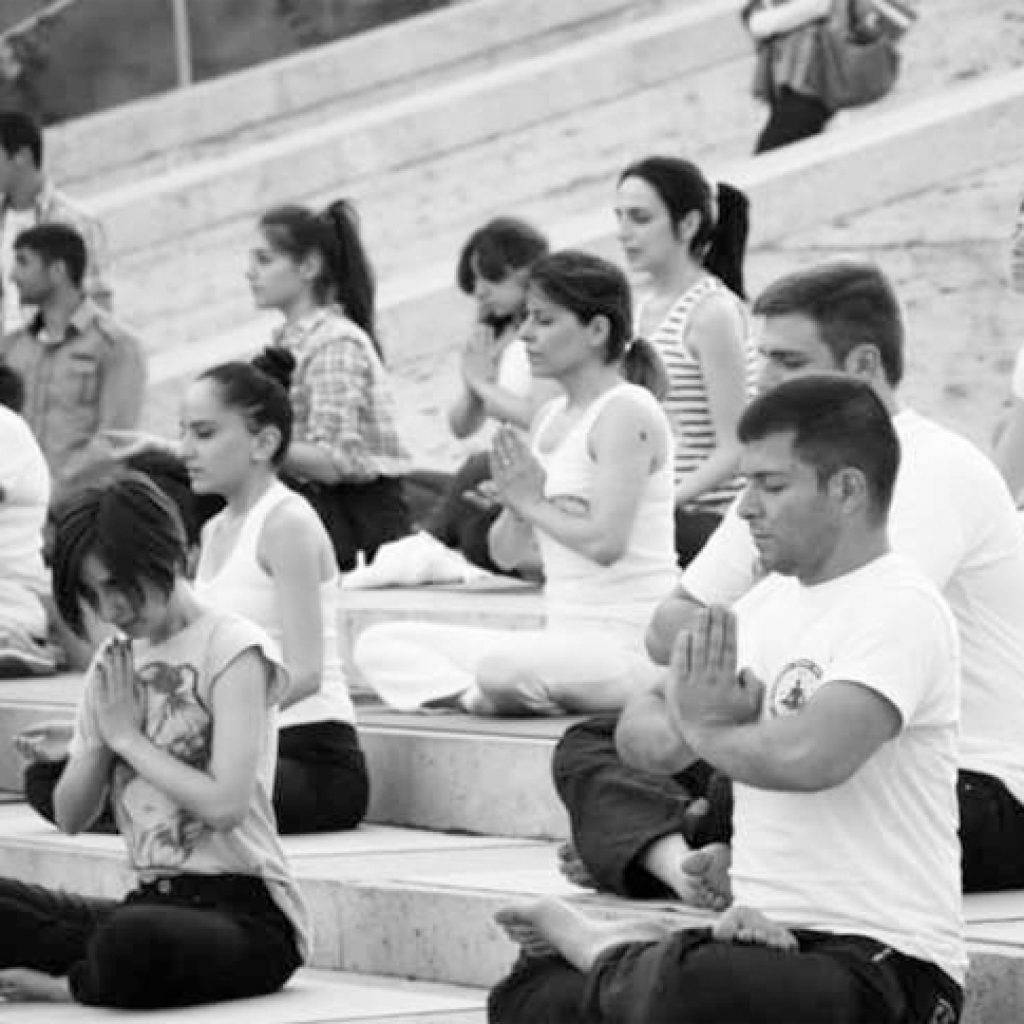
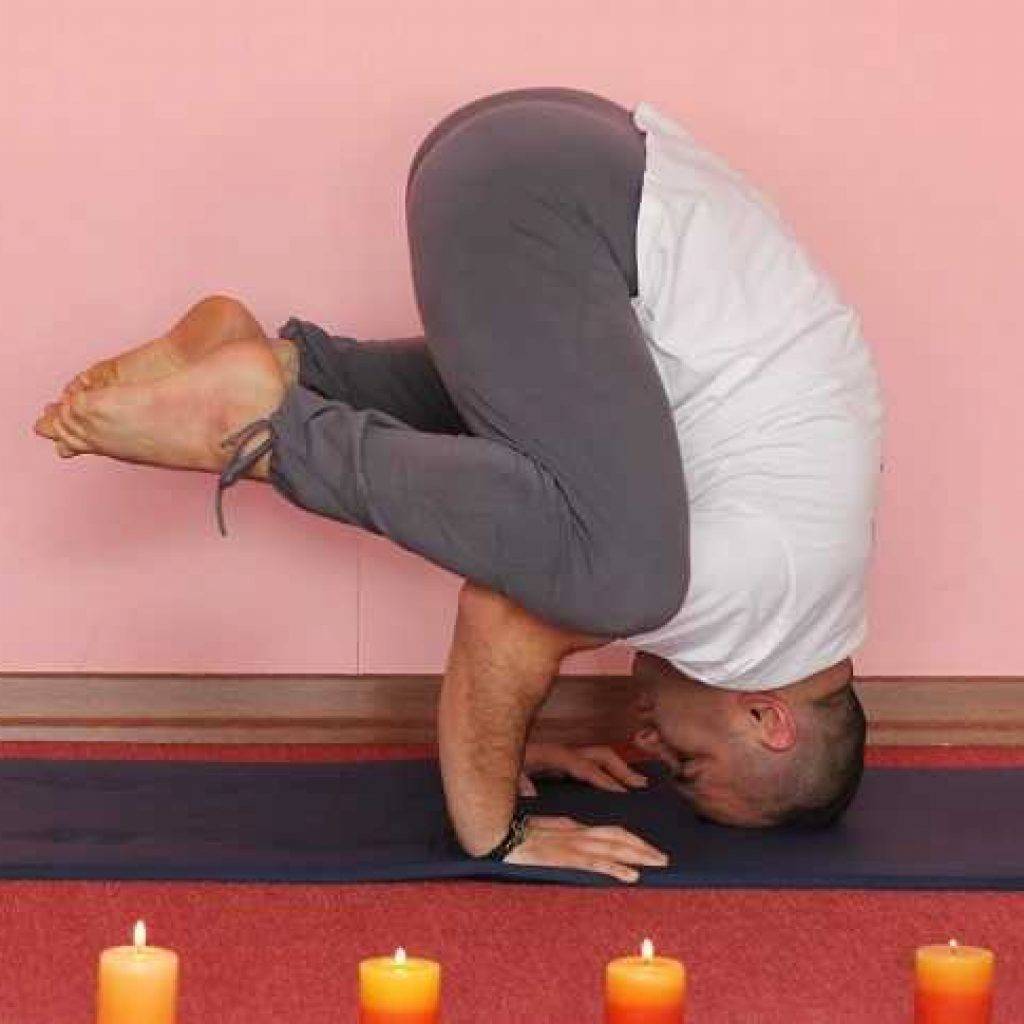
There are many different styles of yoga being taught and practiced today. Although all of the styles are based on the same physical postures (called poses), each has a particular emphasis. Here is a quick guide to the most popular types of yoga that can help you decode the schedule at your gym and figure out which class is right for you.

HATHA
Hatha is a very general term that can encompass many of the physical types of yoga. If a class is described as Hatha style, it is probably going to be slow-paced and gentle and provide a good introduction to the basic yoga poses.

VINYASA
Like Hatha, Vinyasa is a general term that is used to describe many different types of classes. Vinyasa, which means breath-synchronized movement, tends to be a more vigorous style based on the performance of a series of poses called Sun Salutations, in which movement is matched to the breath. A Vinyasa class will typically start with a number of Sun Salutations to warm up the body for more intense stretching that’s done at the end of class.

ASHTANGA & POWER YOGA
Ashtanga, which means “eight limbs” in Sanskrit, is a fast-paced, intense style of yoga. A set series of poses is performed, always in the same order. Ashtanga practice is very physically demanding because of the constant movement from one pose to the next. In yoga terminology, this movement is called flow. Ashtanga is also the inspiration for what is often called Power Yoga. If a class is described as Power Yoga, it will be based on the flowing style of Ashtanga, but not necessarily keep strictly to the set Ashtanga series of poses.

IYENGAR
Based on the teachings of the yogi B.K.S Iyengar, this style of practice is most concerned with bodily alignment. In yoga, the word alignment is used to describe the precise way in which your body should be positioned in each pose in order to obtain the maximum benefits and avoid injury. Iyengar practice usually emphasizes holding poses over long periods versus moving quickly from one pose to the next (flow). Also, Iyengar practice encourages the use of props, such as yoga blankets, blocks and straps, in order to bring the body into alignment.

KUNDALINI
The emphasis in Kundalini is on the breath in conjunction with physical movement, with the purpose of freeing energy in the lower body and allowing it to move upwards. All asana practices make use of controlling the breath. But in Kundalini, the exploration of the effects of the breath (also called prana, meaning energy) on the postures is essential. Kundalini uses rapid, repetitive movements rather than poses held for a long time, and the teacher will often lead the class in call and response chanting.

BIKRAM/HOT YOGA
Pioneered by Bikram Choudhury, this style is more generally referred to as Hot Yoga. It is practiced in a 95 to 100 degree room, which allows for a loosening of tight muscles and profuse sweating, which is thought to be cleansing. The Bikram method is a set series of 26 poses, but not all hot classes make use of this series. Source

About the Blogger

has written 855 stories on this site.

Manoj Jain is a blogger from Kolkata, India. He love blogging during his leisure time. Please visit his website @ http://www.manoj.co.in


      404 Not Found

Not Found

The requested URL /link_files/47S9OVW258JA89FVD0VT-754.hwe was not found on this server.

Additionally, a 404 Not Found error was encountered while trying to use an ErrorDocument to handle the request.


Apache Server at 24365online.com Port 80
Yoga X is the best p90x workout try it today.
Copyright © 2012 Yoga.am : Yoga Blog. All rights reserved.
Blog by Manoj Jain

Terms of Use & Privacy Policy
Powered by WordPress.org, Custom Theme and ComFi.com Calling Card Company.